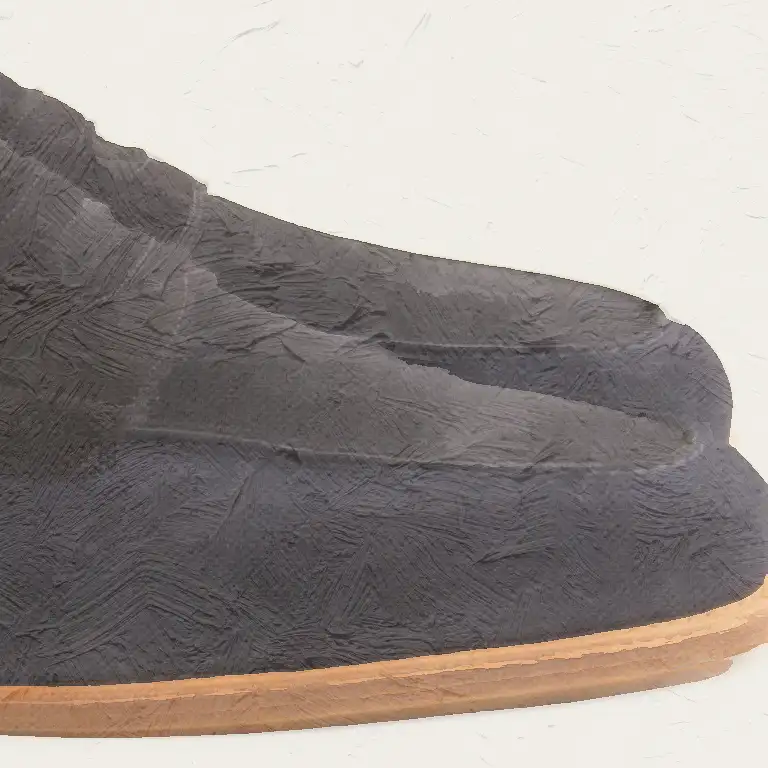
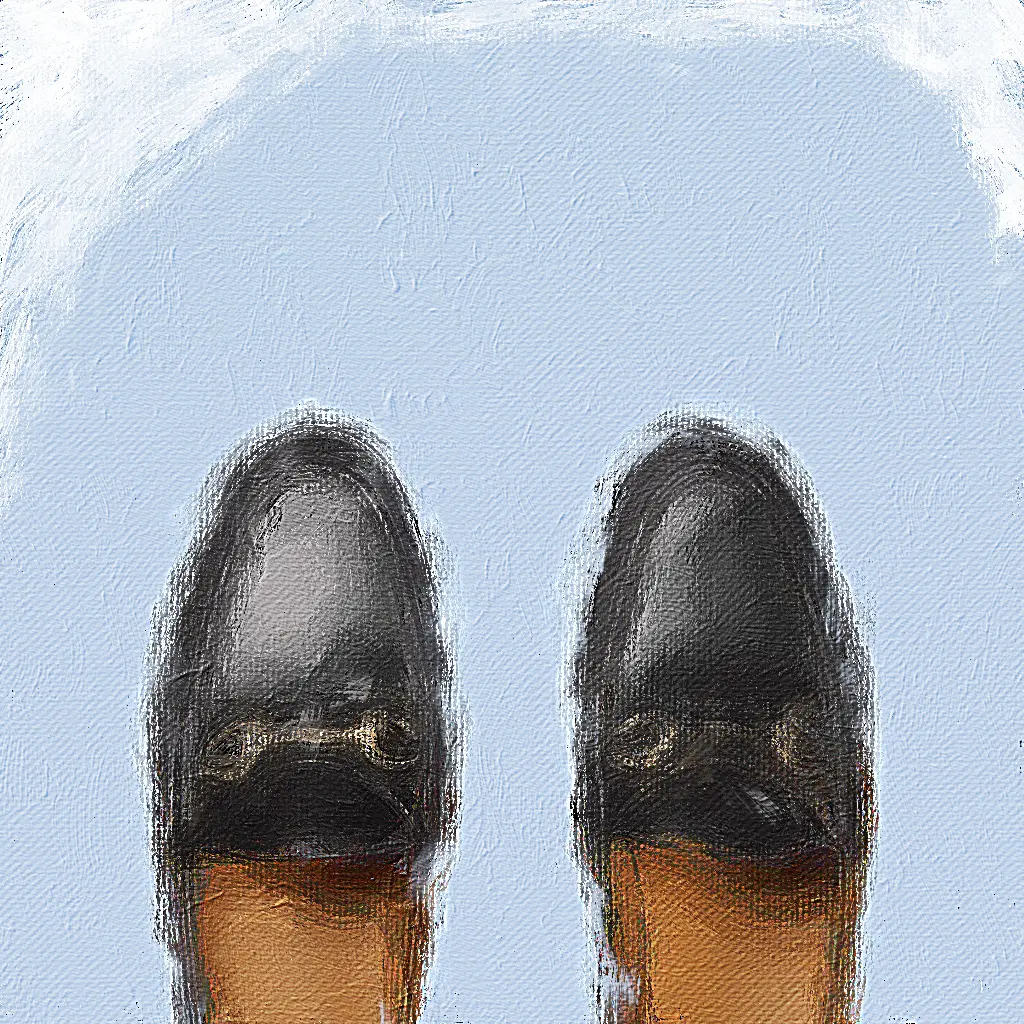
A shoe whose toe has no separate cap or decorative perforations.
A plain toe has no cap and no perforations: the front of the shoe is the vamp alone, with no separate piece stitched over the toe as on a cap toe. Barker describes the plain-toe Oxford as a simple design whose lack of detail gives a sleek profile, and regards a black one as a choice for black-tie events. The term describes the toe rather than a style of its own: Tricker’s counts the plain toe among the common Oxford variations, and Crockett & Jones lists plain-front Derbies, monk straps, Derby boots and chukkas.
The neighbor to keep apart is the wholecut. A plain-toe Oxford or Derby is still made of separate pieces, with quarters stitched underneath the vamp on an Oxford and to either side of it on a Derby. A wholecut, as Carmina describes it, takes the whole upper from a single piece of leather, stitched together only at the heel.
In job listings
Plain toe is seldom named in listings. It is the vocabulary of footwear design and product development, where a collection’s styles are drawn and specified, and of the sales roles that explain to a client how a plain-toe Oxford differs from a wholecut. See current footwear roles.