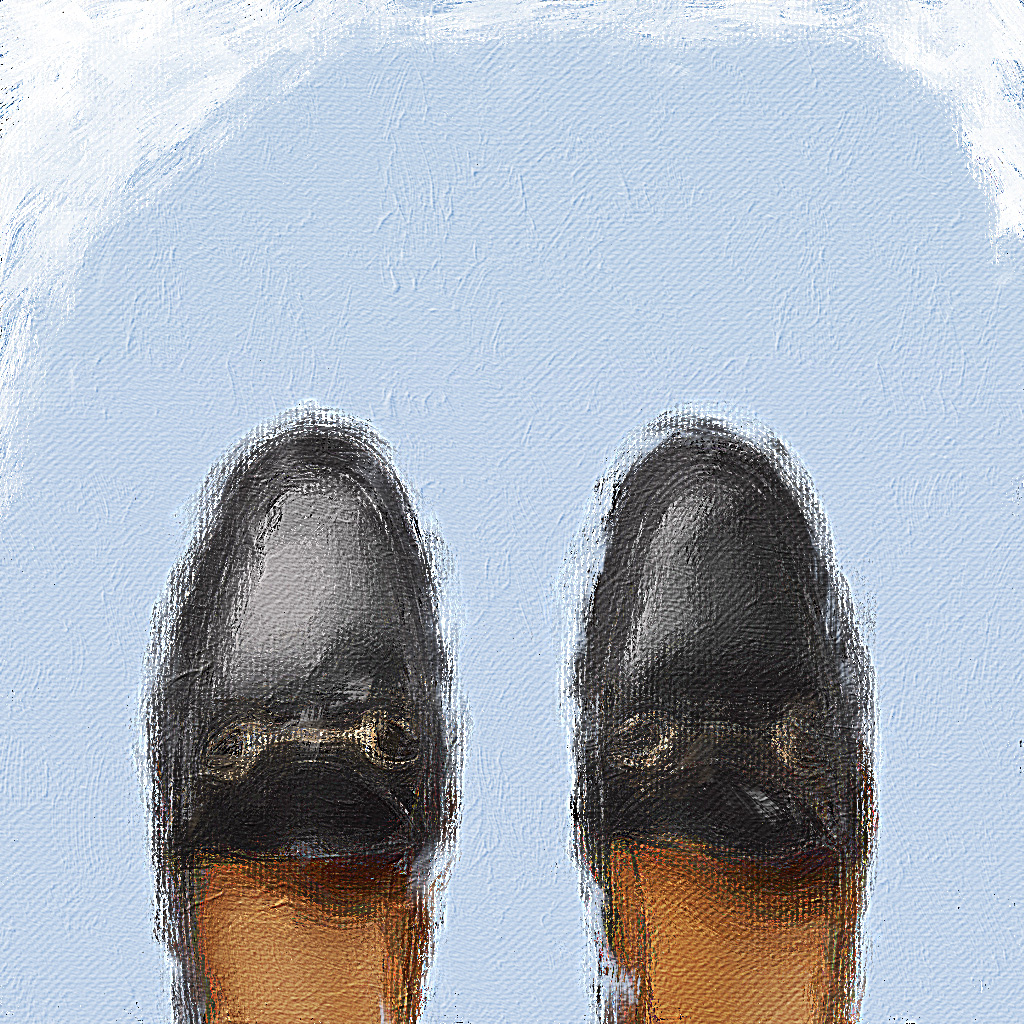
Two rings and a bar can do a remarkable amount of identifying. Across the vamp of a Gucci loafer, the Horsebit is readable before the label comes into view. The rest of the shoe can be quite restrained; this one piece of hardware gives it a particular inflection. I have selected it for that economy of recognition. The motif survives changes of color and silhouette, giving very different shoes a shared identity without exhausting their individuality.
A little equestrian vocabulary
Gucci dates the Horsebit loafer to 1953. The ornament draws on riding equipment, translated into something worn well away from a stable. The Esquire history places its arrival alongside the house’s expansion into New York and American interest in loafers.
I like the slight incongruity. A slip-on is an easy form; metal hardware introduces a more deliberate gesture. The shoe can look relaxed and quite considered at the same time.
The cerulean version pictured here makes the point rather vividly. Color changes the impression, while the rings and bar keep the family resemblance intact.
The motif and the model
That resemblance is useful, but it can also confuse a conversation. Horsebit hardware appears across different Gucci shoes for men and women. It does not make every one of them the Horsebit 1953, or give them the same shape and construction.
Put it beside the John Lobb Lopez: the saddle and apron compose a loafer without the Horsebit’s flash of metal. A view from the side often helps. Toe shape, the depth of the upper and the sole change the profile. A motif seen from above may make two pairs look closely related; the silhouette can tell quite a different story.
This is where a product record earns its place. The exact model and material keep a discussion of design connected to the pair someone is trying on.
A loafer has no laces to negotiate with
For a footwear specialist or sales advisor, fit deserves time. Both feet, the socks the person intends to wear, and a short walk tell us more than a size number alone. Pressure at the instep and movement at the heel are different questions. Neither is answered by admiring the hardware.
The familiar promise that leather will stretch can become a convenient way of ending a fitting too early. A different size or shape may be the better answer. The point is a shoe that will be worn, not a purchase that remains beautiful in its box.
Trousers change the final view, too. The hem can leave the ornament visible or nearly cover it; either may be exactly what the wearer wants. Styling advice becomes more helpful when it describes the effect instead of prescribing a rule.
For someone working in Gucci footwear or retail, the Horsebit gives a memorable opening. The rest of the conversation asks for observation, material knowledge and patience with a foot. A small piece of hardware can start things; it cannot finish the fitting.