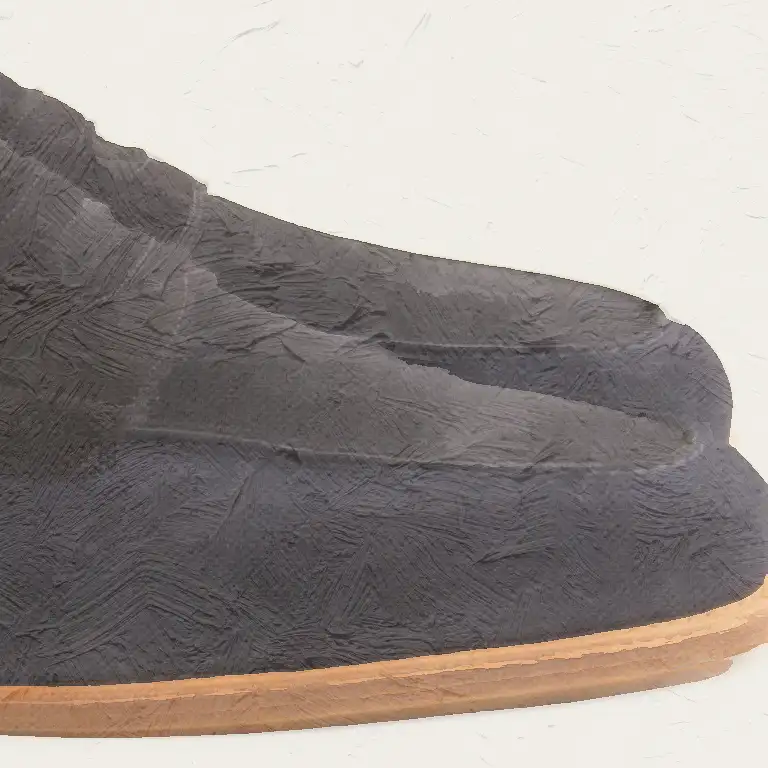
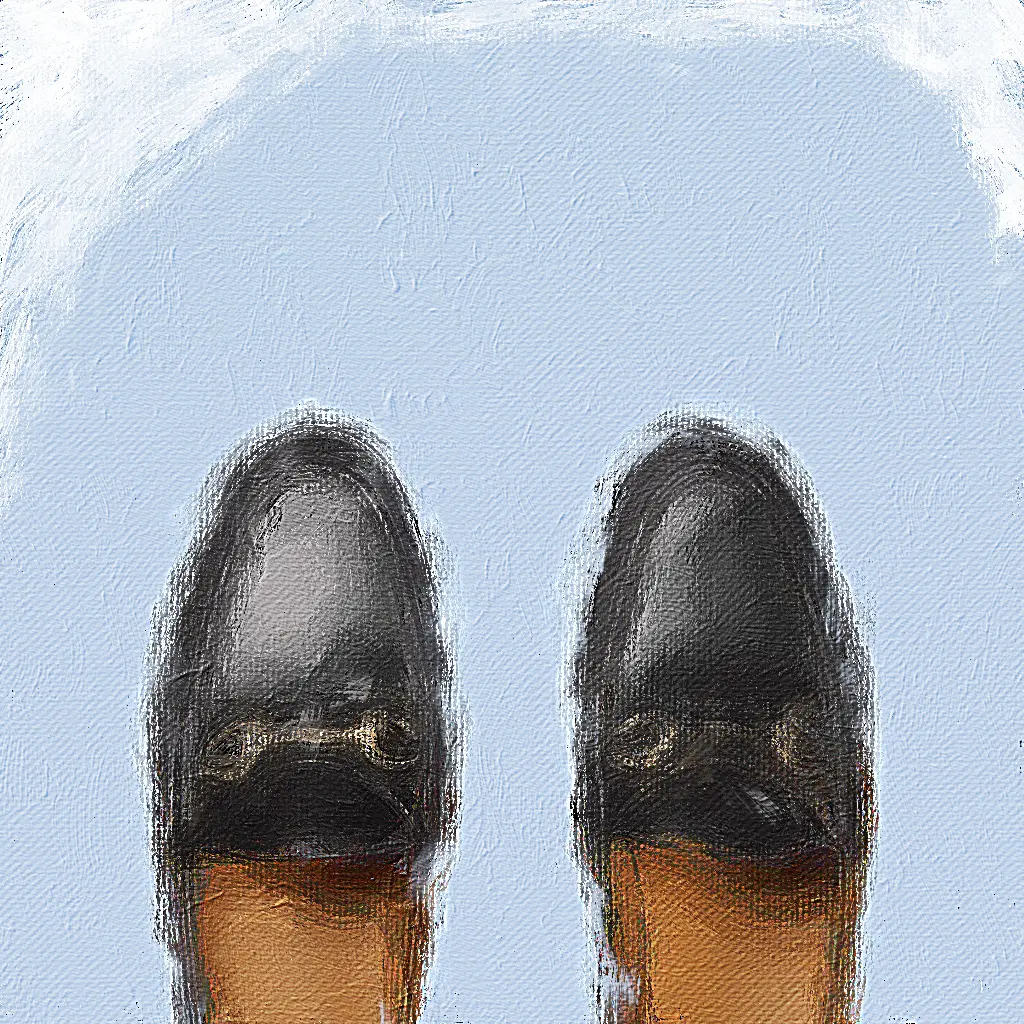
A shoe whose upper is cut principally from one piece of leather.
A wholecut’s upper is cut from one piece of leather. Carmina describes each shoe as made from a single piece stitched together at the heel, so the heel seam is the only seam in the upper, and Cheaney describes its wholecut Oxford as having no perforations and no separate pieces of leather. The description concerns the upper, not the lining, sole or every part of the finished shoe: one Carmina wholecut has a calf lining and a leather sole.
Carmina notes that the single-piece pattern demands precision in cutting and lasting. Crockett & Jones lists the whole cut among its Oxford variations, and Barker treats the wholecut Oxford as a formal dress shoe, on the principle that the less detail a shoe has, the more formal it is. Crockett & Jones also lists a “Whole Cut (Blucher)” among its Derbies. A plain toe differs from a wholecut because its quarters are still separate pieces.
In job listings
Wholecut is seldom named in listings. Because the pattern demands precision in cutting and lasting, the term is most concrete for cutters and leather preparers in a house’s shoe workshop and for the lasting stage of production. See current footwear cutter roles.