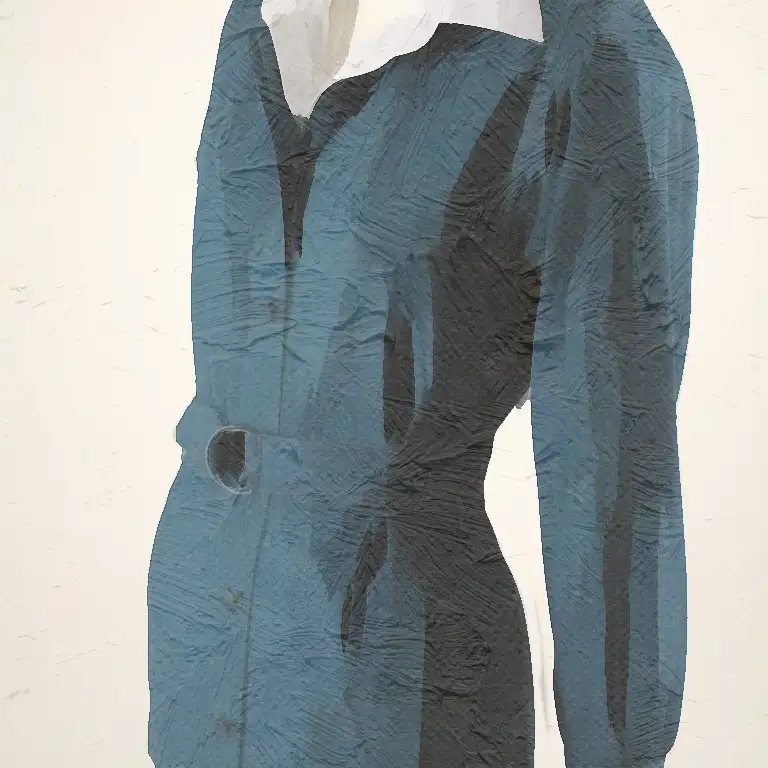
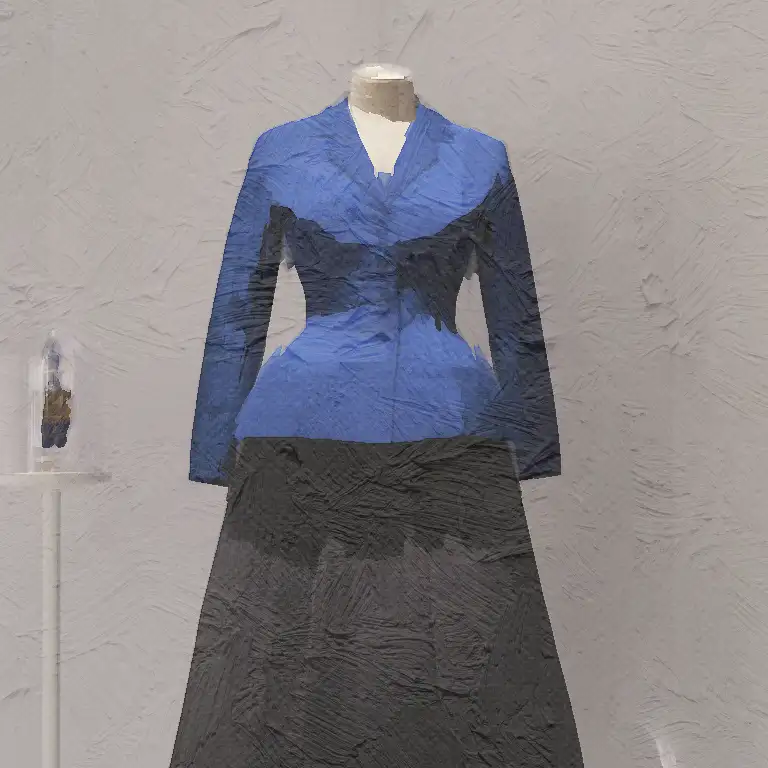
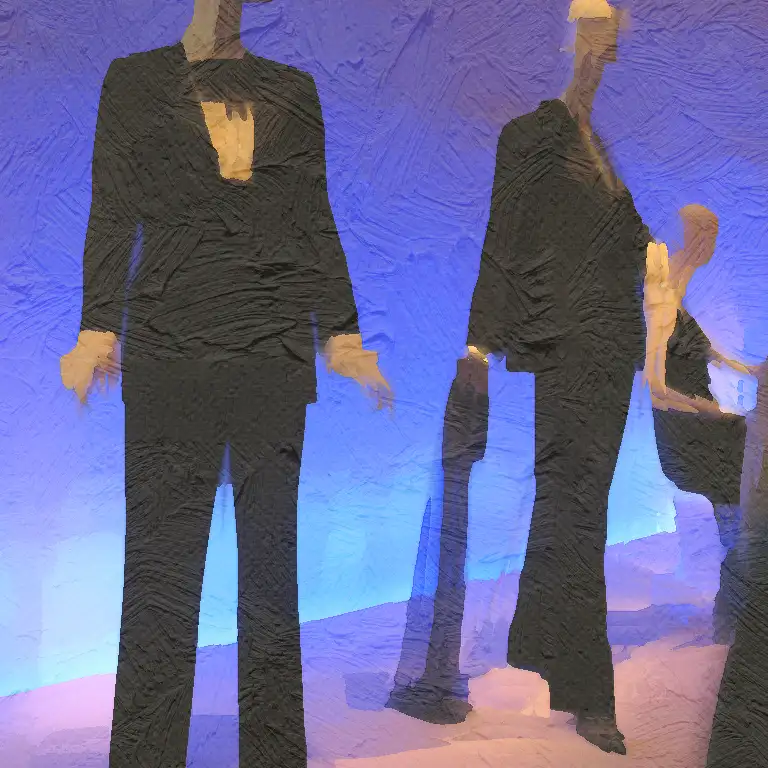
A craftsperson who cuts, makes, alters and fits garments, chiefly structured ones such as jackets, coats and trousers.
A tailor works mainly on structured garments, built up with padding and shaping materials. Oxford defines the tailor as a maker of men’s clothes, especially suits for individual customers, and Onisep, the French careers service, likewise separates tailors, for men’s clothing, from flou specialists, for women’s. A couture house’s tailleur atelier, though, also makes women’s jackets, coats and trousers, with many fittings on a live model.
In made-to-order tailoring the trade divides. On Savile Row a Master Cutter makes each customer’s individual paper pattern and supervises the making; the garment is first roughly assembled, as a baste, for the first fitting. Onisep names further specialists: cutters who chalk the pattern onto the cloth and cut it, apiéceurs who assemble and finish, culottiers who make only trousers and giletiers who make waistcoats. An alterations tailor adapts finished garments, letting out or taking in seams, tapering trouser legs and narrowing lapels. A seamstress sews too, usually softer garments.
In job listings
In boutiques and department stores, tailors and tailor-fitters measure clients at fittings, often with the sales advisor, and make the alterations in an in-house workroom. Sample tailors make and finish prototype garments in production workshops, where apprentices may train under master tailors. Some made-to-measure programs rely on in-house tailors. See current tailor roles.
References
- Oxford Learner's Dictionaries: tailor
- Onisep: tailleur-couturier
- French Ministry of Culture: haute couture inventory sheet
- Savile Row Bespoke Association: the bespoke process
- Savile Row Bespoke Association: membership requirements
- Savile Row Bespoke Association: tailoring terms
- O*NET OnLine: tailors, dressmakers and custom sewers