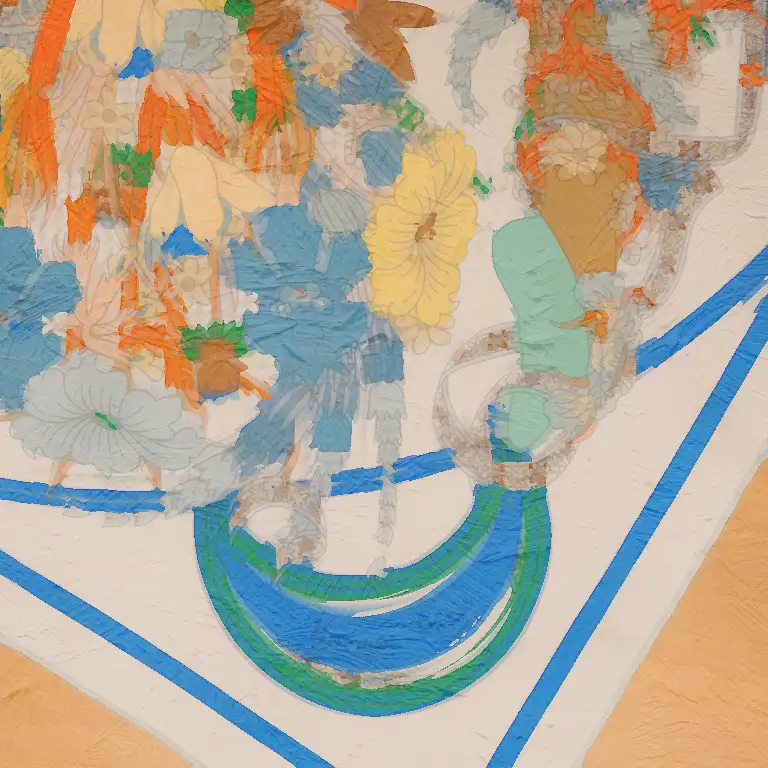
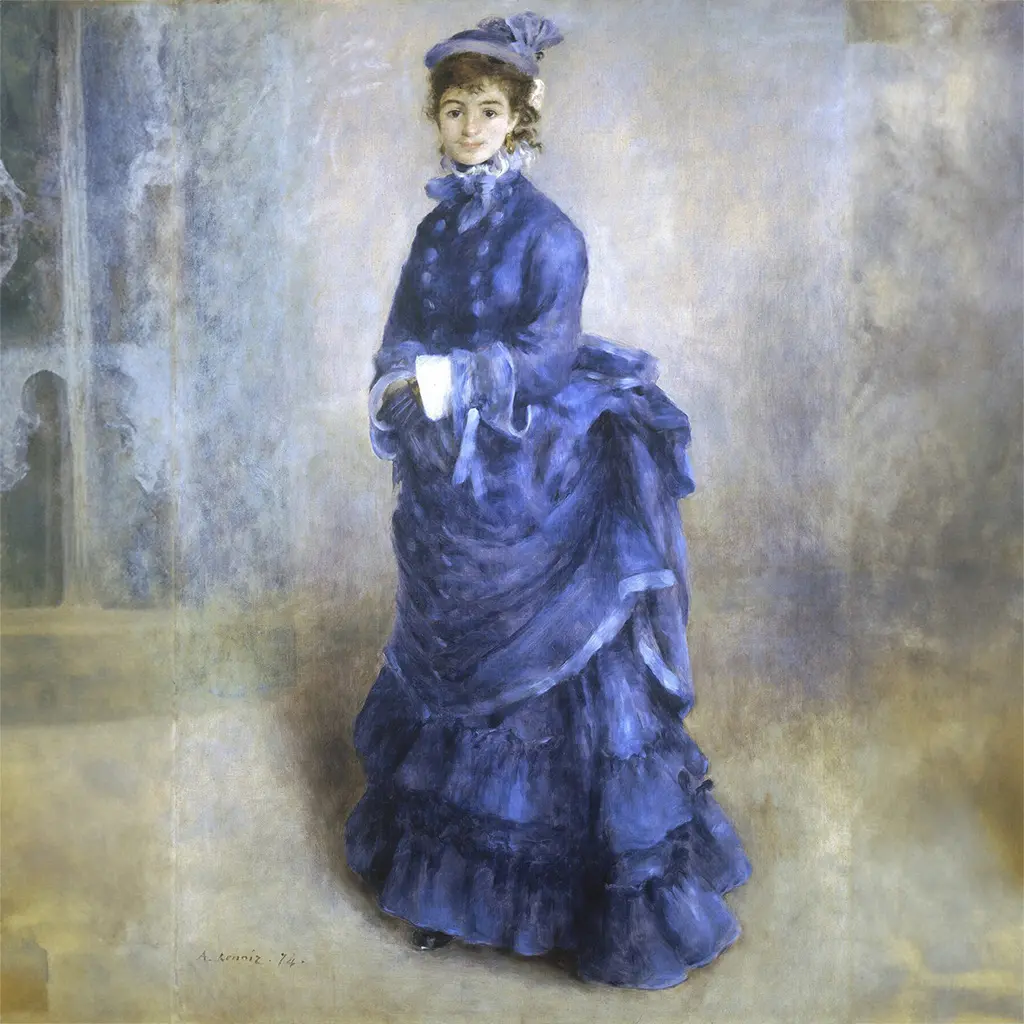
A design applied to a textile's surface, rather than formed by weaving the pattern into the cloth.
Printing applies one or more colors to selected areas of a fabric in a design. In direct printing, the colors go straight onto white or dyed cloth. In discharge printing, a dyed cloth is printed with a paste that destroys the dye, leaving white or, if the paste carries another color, replacing it. In resist printing, a resist agent goes on first, so those areas stay undyed when the cloth is dyed. The tools vary: a flat screen through which print paste is forced, a rotary screen that applies color continuously from inside a perforated cylinder, engraved rollers, heat transfer, or digital ink-jet heads that place very small drops precisely.
The usual confusion is with a woven pattern. A print is added to cloth already made; a jacquard figure is formed by the yarns as the cloth is woven, in color, texture or both.
In job listings
Print appears in design and development titles. Print designers and print development specialists create a season’s prints and colorways, run tests and color matching with manufacturers, weigh the constraints of each technique, artisanal or industrial, and see the prints into production, on woven fabrics and sometimes on leather. See current textile print roles.