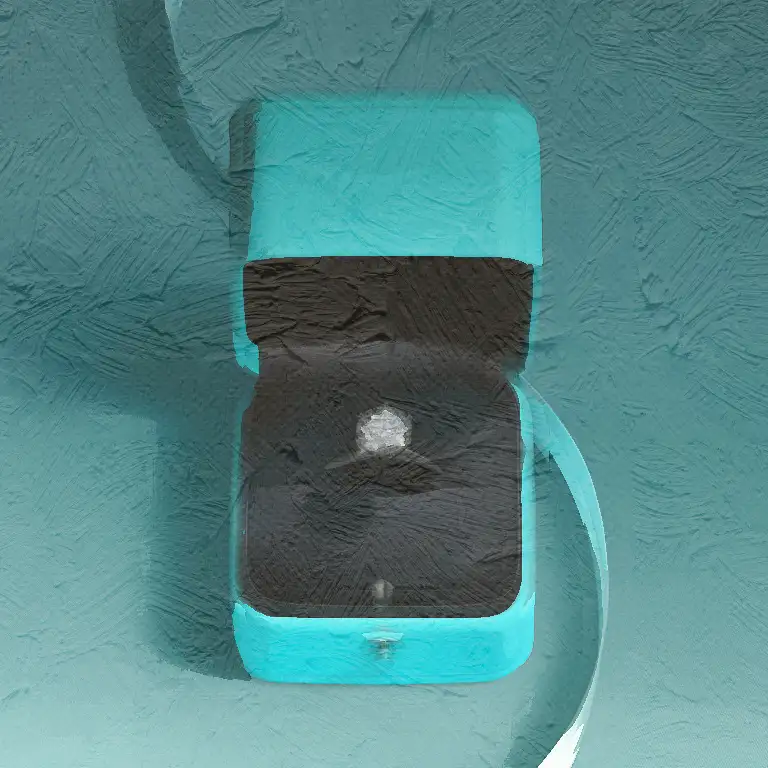
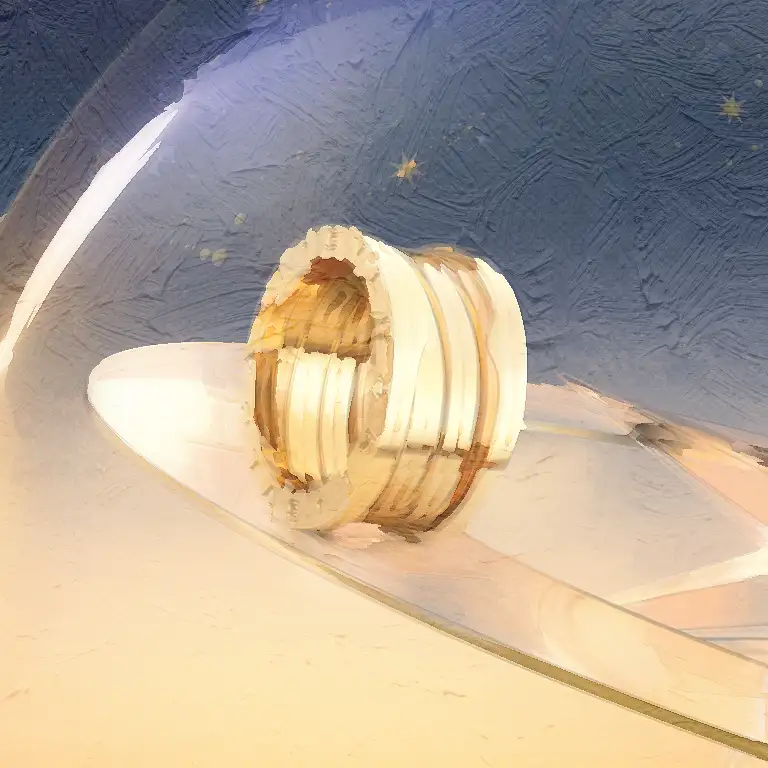
A dense, white precious metal, usually about 95% pure in jewelry and used to hold stones securely.
Platinum is a dense, silvery-white metal: 21.45 grams per cubic centimeter, against 19.3 for gold. GIA describes it as durable, malleable and heavy, white without plating and free of tarnish, and notes that it makes a secure setting for diamonds and gemstones and does not lose shape or abrade over decades of wear. With time it develops a patina, an antique look that can be polished away. Some manufacturers rhodium plate it for shine, and that plating needs renewing.
Platinum jewelry is usually around 95% pure. Under the US FTC jewelry guides, platinum without a number should mean at least 950 parts per thousand; 900 and 850 should carry their number, as in 900Pt.; lower alloys should state each metal’s share, and below 500 the word should not be used. British hallmarking recognizes 999, 950, 900 and 850 (see precious metals).
In job listings
Platinum appears in workshop listings beside 18 karat gold: polishers, stone setters, jewelers and repair artisans finish, set and restore pieces in both metals, and watch case finishers work it with gold and steel. In clienteling roles, a platinum client or platinum tier is a client category, not the metal. See current platinum roles.