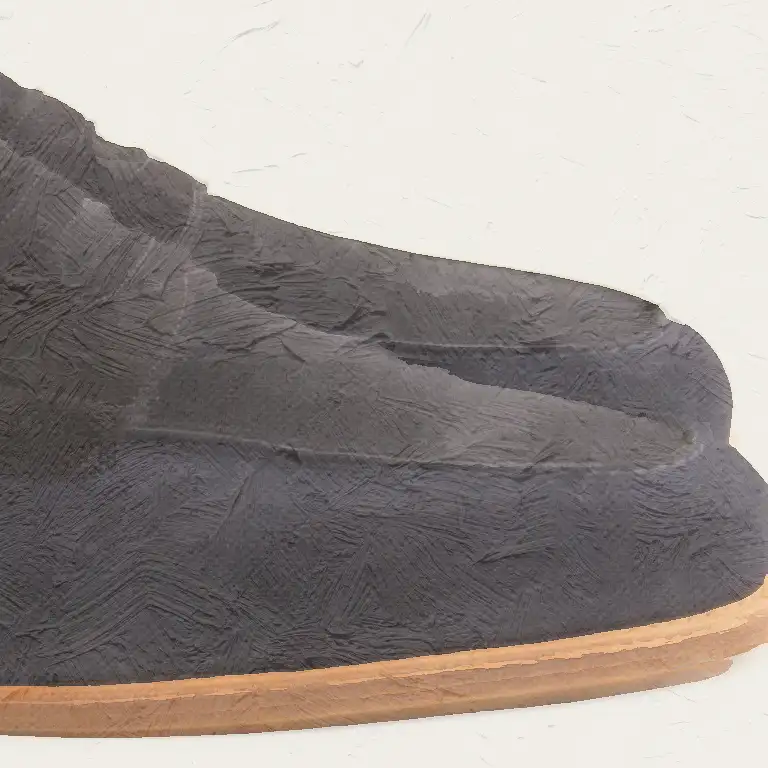
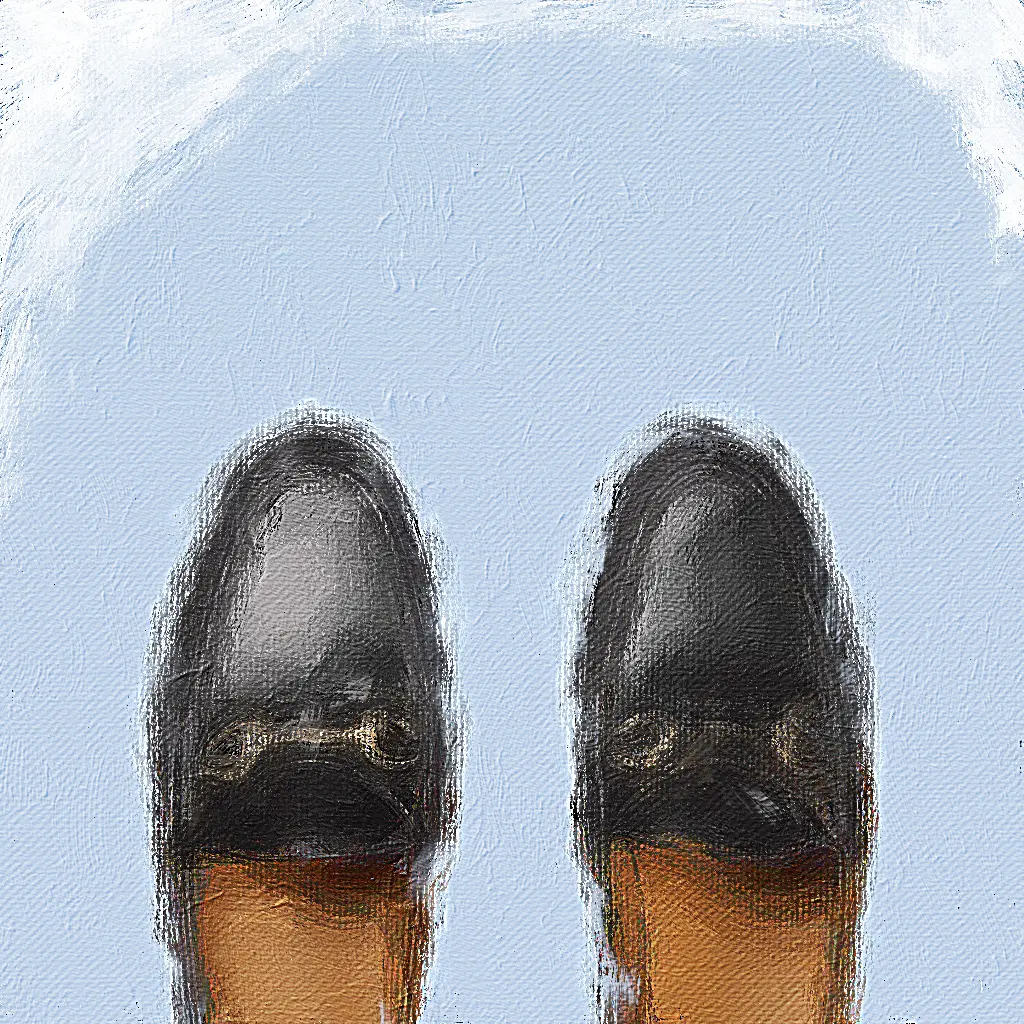
A lace-up shoe with closed lacing, where the eyelet panels are attached beneath the vamp.
On an Oxford the inside and outside quarters are stitched underneath the vamp, and the tongue is a separate piece set in beneath them. Crockett & Jones notes that this is often called closed lacing and suits a lower instep; the Met calls the pattern the “closed tab”. Cheaney adds that the facing is stitched flush with the rest of the upper, giving a slim shoe that fits snugly across the instep.
The lacing alone makes a shoe an Oxford. A toe cap, broguing or a wholecut upper are variations on it, and a brogue may equally be a Derby, with open lacing. Tricker’s classes closed-laced shoes as more formal than Derbies. Americans often call the Oxford a Bal-type shoe, Cheaney notes; Tricker’s reserves Balmoral for an Oxford with no seams other than the toe-cap seam running down to the welt.
In job listings
In listings, Oxford usually names a place, not the shoe. The style belongs to the vocabulary of roles that build and sell men’s footwear: product coordinators and merchandising assistants who support collection development and prototypes, men’s shoe designers, and sales associates in men’s shoe departments. See current men’s shoe roles.