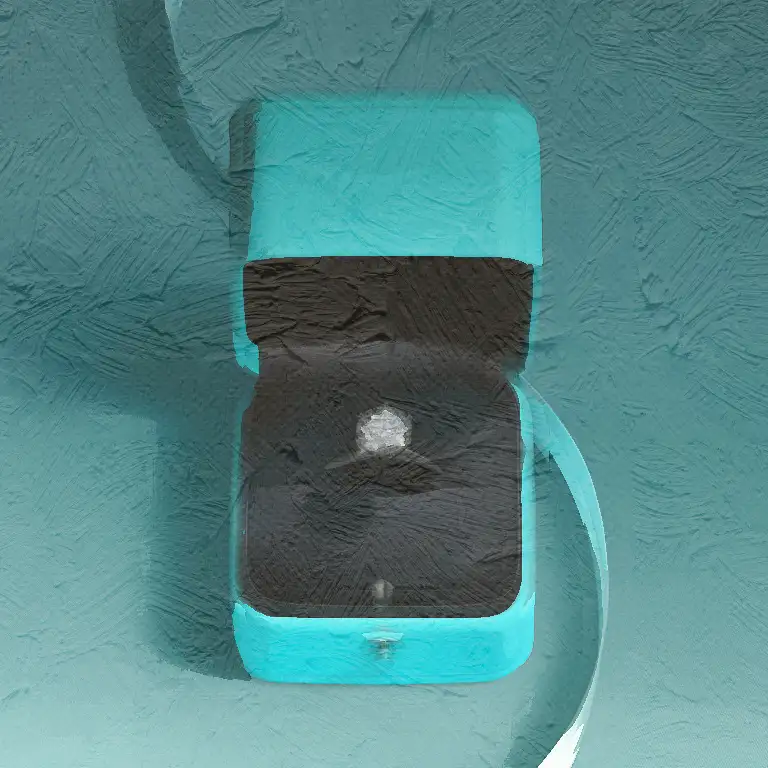
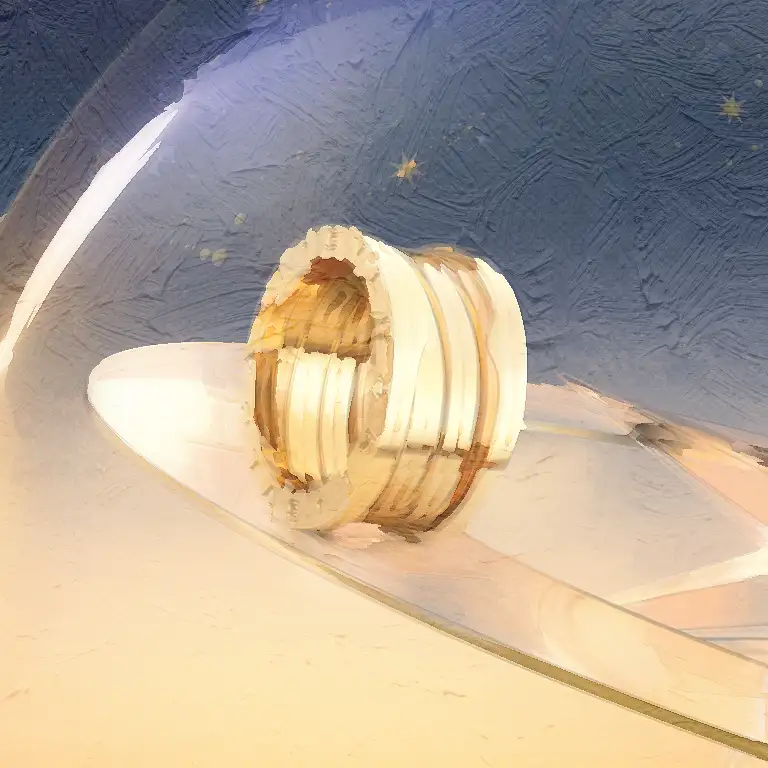
Jewelry made in gold, platinum, silver or palladium, often set with gemstones, as distinct from costume jewelry.
Fine jewelry is made in precious metals, which CIBJO lists as platinum, gold, silver and palladium. CIBJO’s standard asks that every piece carry a fineness mark declaring its metal content and a responsibility mark naming the trader who first placed it on the market.
The usual contrast is with costume or fashion jewelry. France’s Onisep describes the fashion jeweler working non-precious metals such as brass and tin, sometimes covered with gold or silver, in collections renewed several times a year, while the jeweler in precious metals works gold or silver into pieces meant to last a lifetime, and repairs and resizes them. A gold surface does not make a piece gold: under the US FTC jewelry guides, calling a plated piece gold without saying it is only plated is deceptive.
Above fine jewelry sits high jewelry. Sotheby’s notes that high jewelry is often more expensive, but that price alone does not set it apart.
In job listings
Fine jewelry appears in boutique titles such as specialist or client advisor, often paired with watches, and in marketing roles for a house’s collections. In production listings, it signals bench work in gold, platinum and precious stones. See current fine jewelry roles.