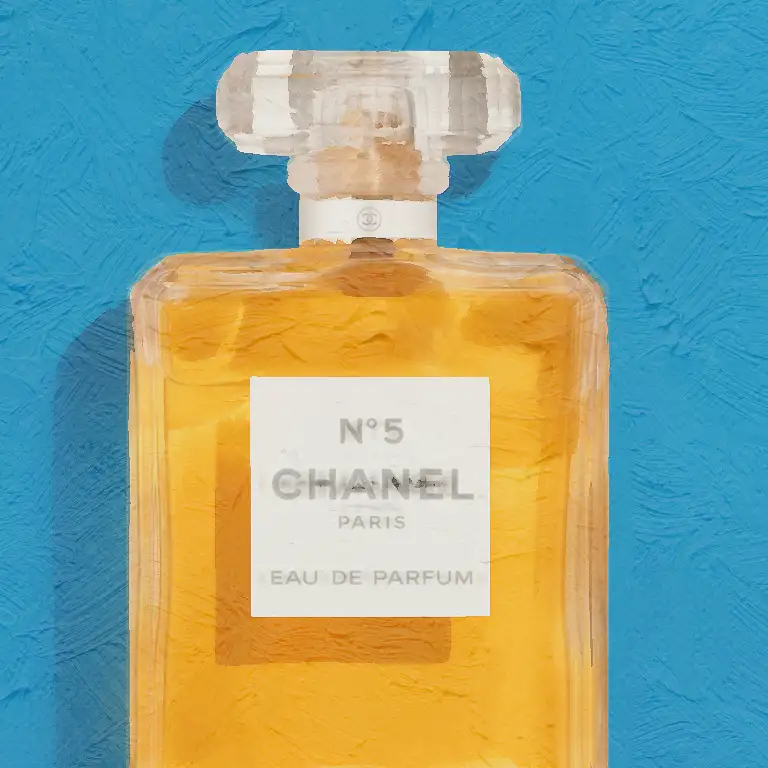
A fragrance concentration stronger than eau de toilette and lighter than extrait, at a percentage of perfume oil each house sets.
Eau de parfum, eau de toilette and eau de cologne are concentrations: the share of perfume oil in a mix of oil, alcohol and water. Fragonard’s perfume museum in Paris gives usual levels of 5% for an eau de cologne, 10% for an eau de toilette, 15% for an eau de parfum and 20 to 24% for perfume, or extract, which leaves a more tenacious imprint than eau de toilette.
The figures are conventions. Galimard, a perfume house in Grasse, notes that no official regulation sets them, so concentrations vary by brand and fragrance; the Office québécois de la langue française gives 14 to 19% for an eau de parfum and 7 to 13% for an eau de toilette. The eau de parfum is the more concentrated of the two, but the percentage behind each name differs from house to house; extrait de parfum is stronger than both.
In job listings
The names are seldom written into listings, but they are product knowledge in fragrance retail, along with sillage. Listings for fragrance specialists and beauty advisors ask them to share product knowledge and recommend fragrances to suit each client, a form of consultative selling. See current fragrance roles.