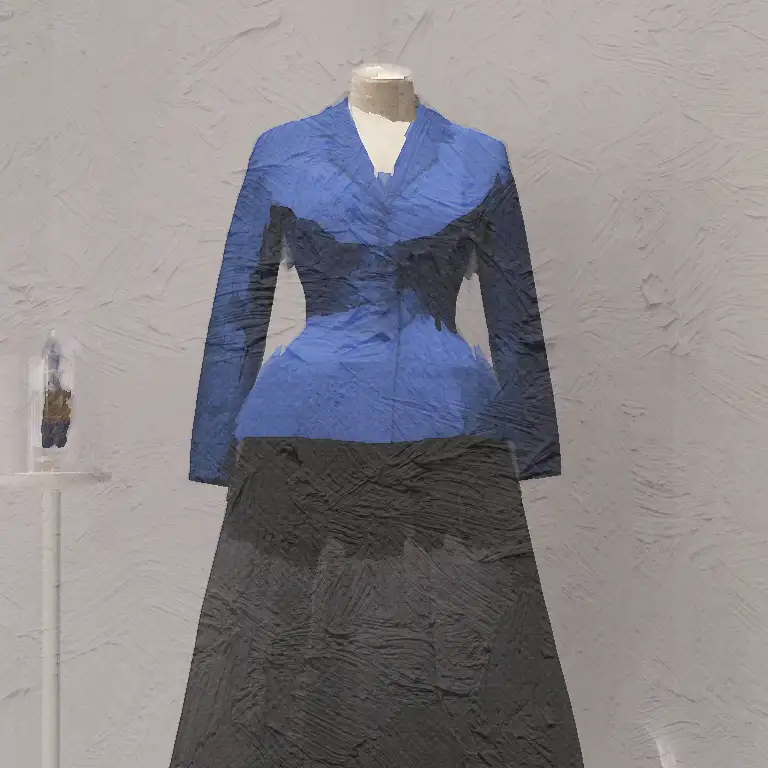
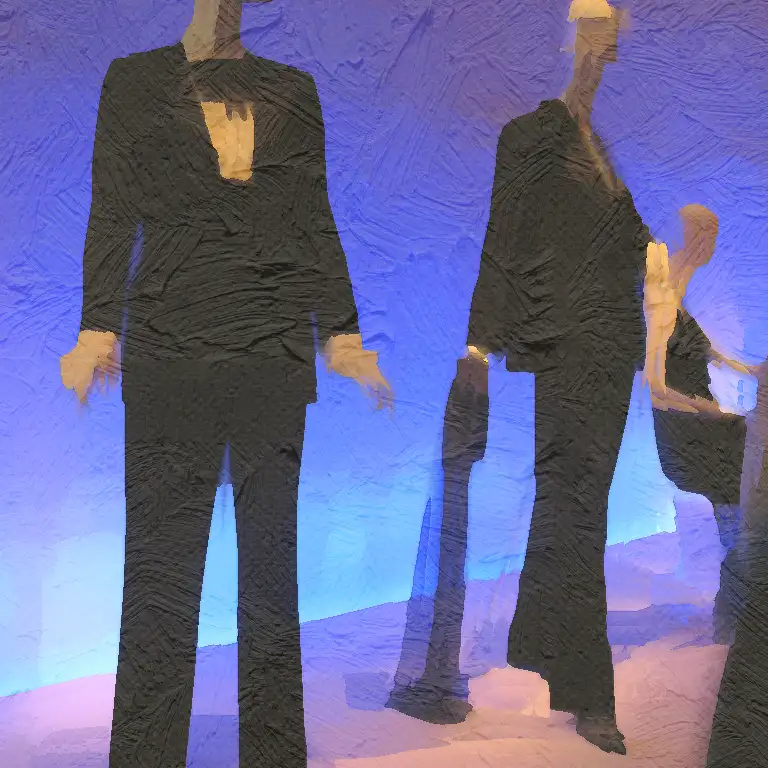
The way a fabric hangs, folds and moves under its own weight.
Drape can be measured, and the measure used in most studies is the drape coefficient; ISO 9073-9 specifies a test for it on woven, knitted and nonwoven fabrics. In the drapemeter, a circle of fabric lies over a smaller disk and falls under its own weight; light from above casts its shadow, and the coefficient is the share of the surrounding ring that the shadow covers. A higher coefficient means less drape. In Cusick’s version, a 30 cm specimen on an 18 cm disk gives values from 30 percent for limp fabrics to 98 percent for stiff ones. Researchers also count the folds, or nodes.
In a 2018 review in the Journal of Textile and Apparel, Technology and Management, Viswanaath and coauthors note that drape, with luster, color and texture, defines how fabric and garments look, and that tests on flat fabric do not accurately reflect garment drape. Drape is how fabric hangs; handfeel is what the hand senses.
In job listings
Drape appears in fit and garment-making roles. A ready-to-wear standardization listing asks for drape, ease and proportion to be judged at fittings on mannequins; a patternmaker listing names drape and fit as the aim of its most delicate operations. See current roles that mention drape.