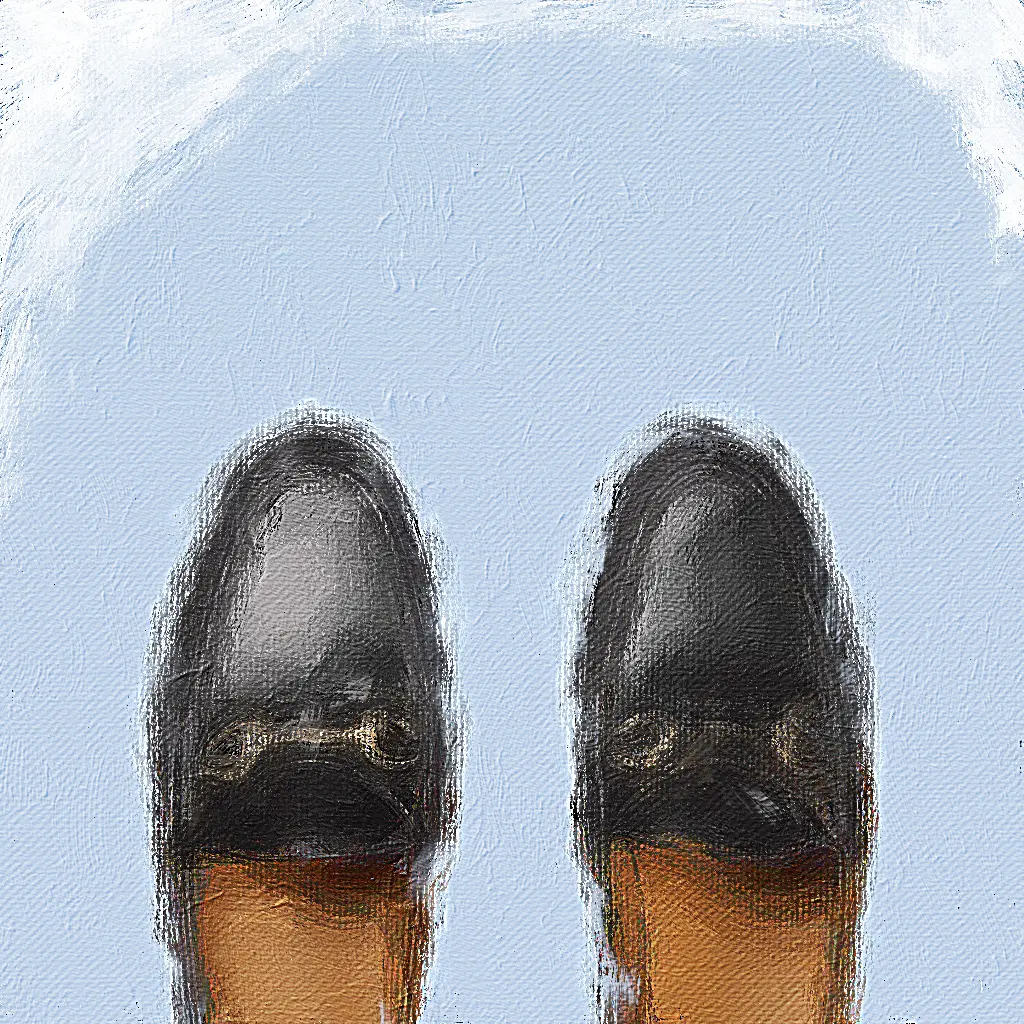
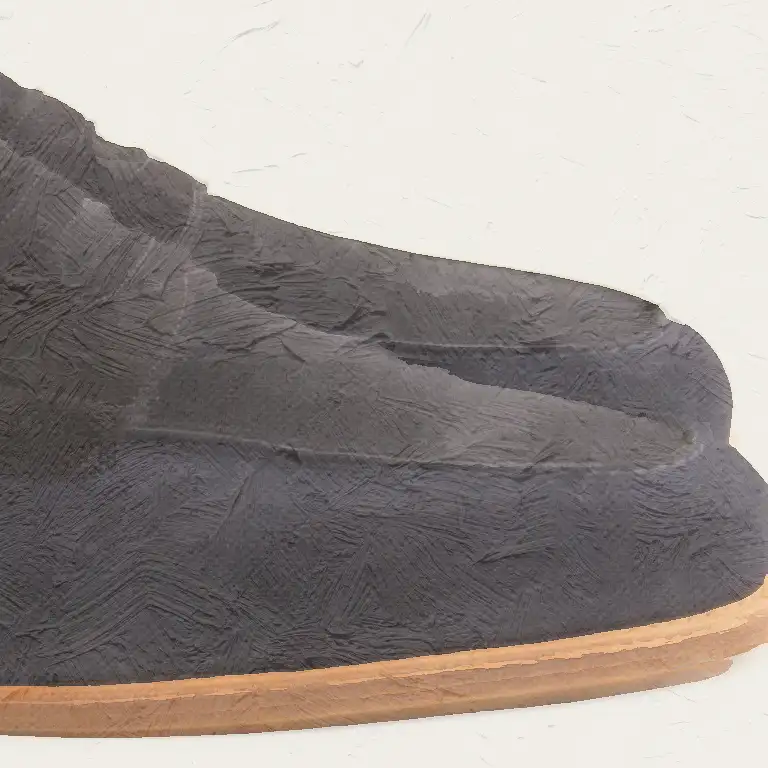
A lace-up shoe with an open lacing system: the panels carrying the eyelets sit over the vamp.
On a Derby the inside and outside quarters, which carry the eyelets, are stitched to a tab point either side of the vamp, with the facings on top of the vamp rather than flush with it. Crockett & Jones notes that this is often called open lacing, and that the tongue is cut as part of the vamp. Cheaney explains that open lacing lets the shoe accommodate a higher instep.
An Oxford has closed lacing, with those panels attached beneath the vamp; that difference, not the toe or any decoration, separates the two. Crockett & Jones lists toe-cap, plain-front, apron, split-toe, long-wing and brogue Derbies, and singles out the brogue Derby, made popular by the full country brogue developed for use in the fields. Tricker’s classes Derbies as less formal than closed-laced shoes, and in the United States, Cheaney notes, the Derby is commonly called a Blucher.
In job listings
In listings, Derby usually names a place, such as the English city, rather than the shoe. The style is working vocabulary for men’s footwear roles: product development and merchandising assistants who support collections and prototypes, shoe designers, and the sales associates who fit and sell men’s shoes. See current men’s footwear roles.