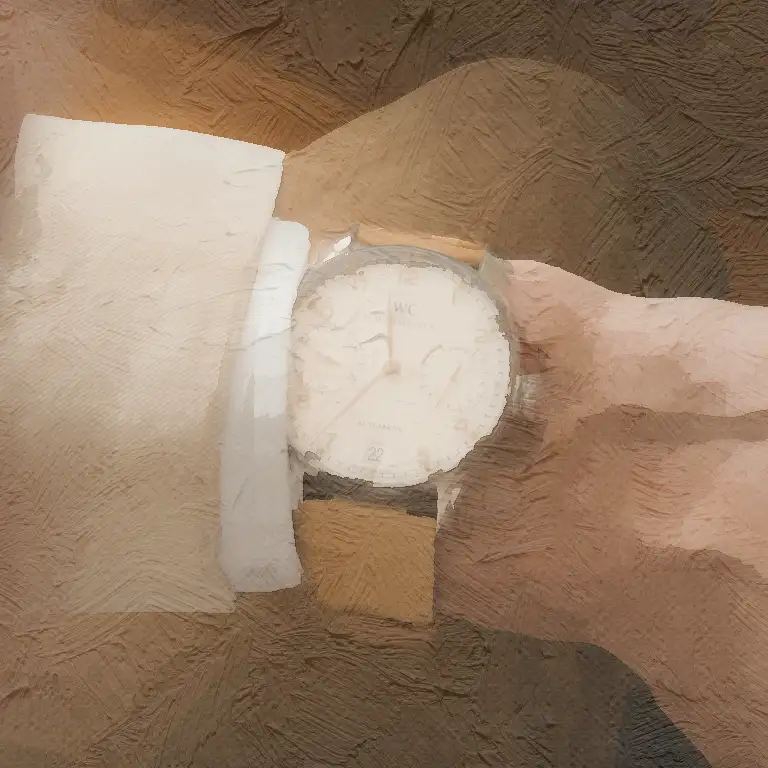
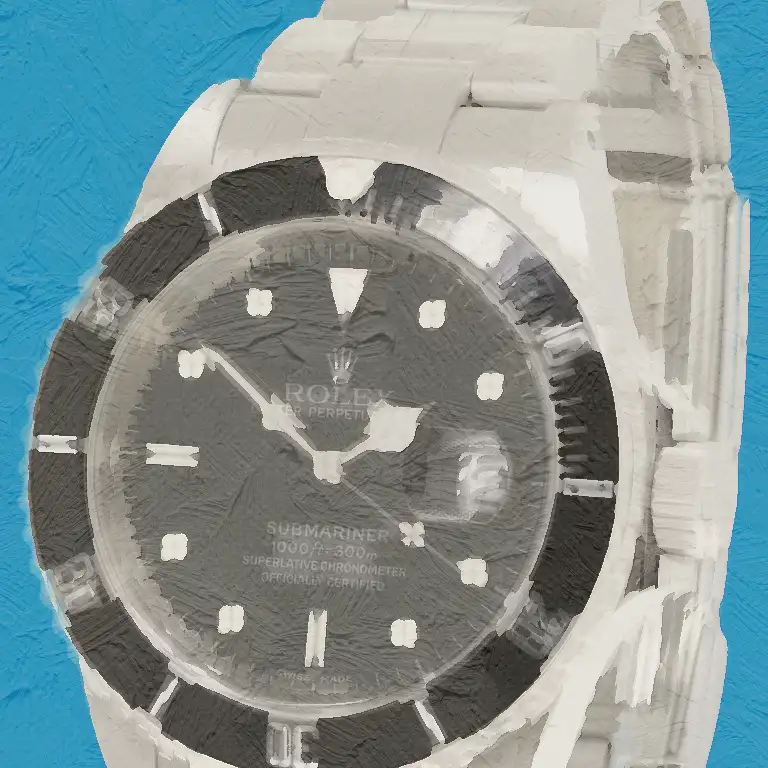
The Contrôle Officiel Suisse des Chronomètres, the Swiss body that tests watch movements and certifies those that pass as chronometers.
COSC stands for Contrôle Officiel Suisse des Chronomètres (Official Swiss Chronometer Testing Authority), a non-profit association founded in 1973. It tests uncased movements: each mechanical one spends 15 days in five positions and at 8, 23 and 38 °C, measured against the seven criteria of ISO 3159. The best known, the average daily rate, is typically −4 to +6 seconds a day. A movement that passes is a chronometer, with an engraved number; the title belongs to that piece, not to a model. Quartz movements follow COSC’s own requirements, adapted from ISO 3159.
A chronometer is not a chronograph: one is certified precision, the other a stopwatch function, and a chronograph can be certified as a chronometer.
Some standards also test the cased watch: COSC’s Excellence Chronometer Certified, to −2 to +4 seconds a day and in a 200-gauss field, and Omega’s Master Chronometer, with eight further tests set by the Swiss Federal Institute of Metrology.
In job listings
Chronometer appears in regulation and after-sales roles, from movement regulator apprenticeships to service finishers expected to know chronometer regulation and check timing against a house’s tolerances. Boutique listings at houses that certify their watches may name the certification. See current chronometer roles.
References
- COSC: frequently asked questions
- COSC: Chronometer Certified
- COSC: Excellence Chronometer Certified
- Fondation Haute Horlogerie: Contrôle Officiel Suisse des Chronomètres
- Horopedia: chronometer
- Horopedia: certification of chronometers according to ISO 3159
- Horopedia: Official Swiss Chronometer Testing (COSC)
- Omega: the Master Chronometer certification