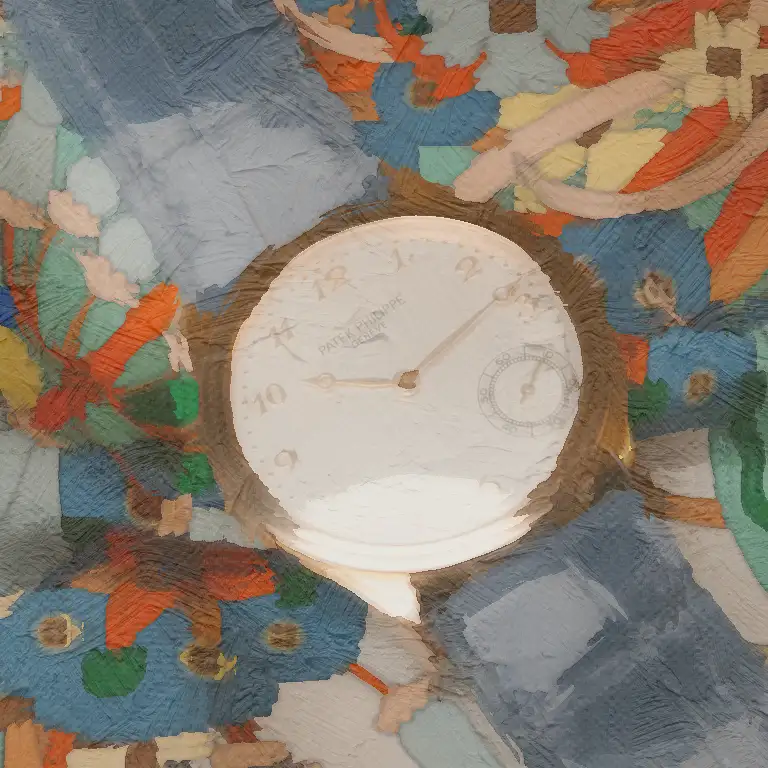
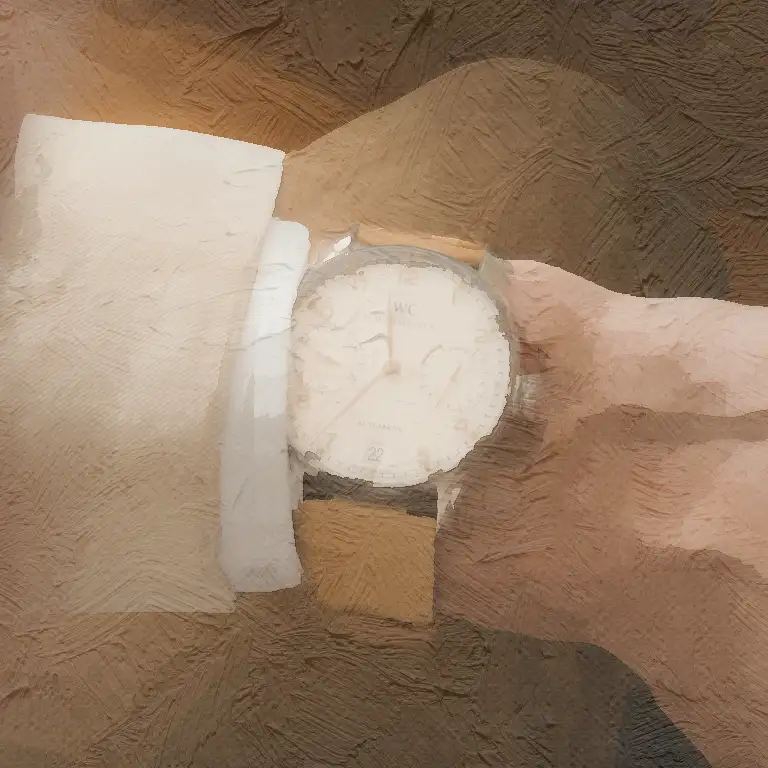
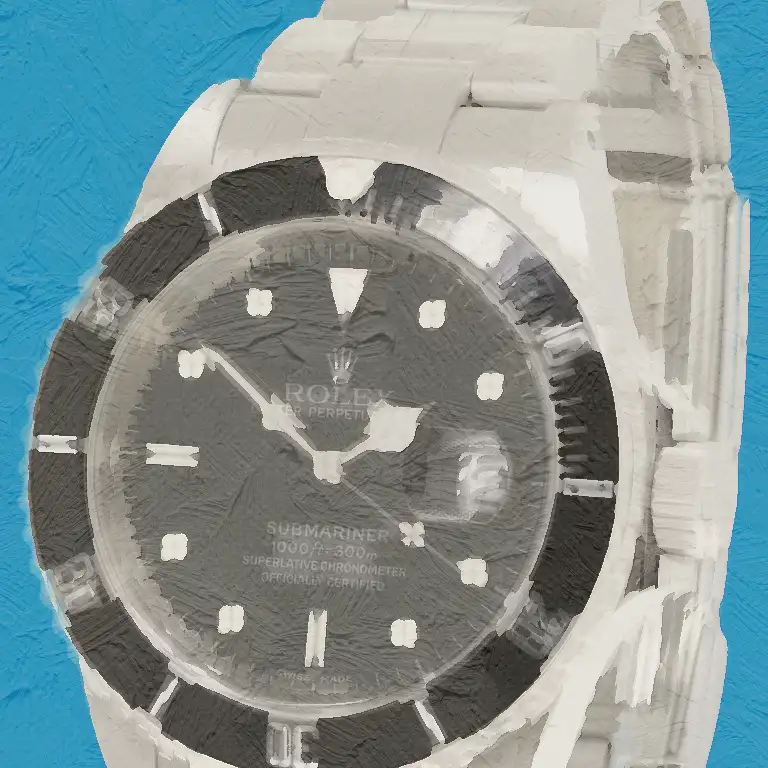
Installing and securing the assembled watch movement, dial and hands inside the case.
Casing-up (emboîtage in French) is the step in which the watchmaker integrates the movement, already fitted with its dial and hands, into the case and closes it again. Watch production often labels this stage T2, together with fitting the dial and hands; movement assembly is T1. The dial goes on only after the movement has been regulated and given its first chronometric measurements. The hands are then indexed so that at midnight the hour and minute hands overlap exactly over their marker, and they must share the limited height under the crystal evenly. The work is often done in rooms with controlled humidity and temperature and filtered air.
Sealing, sometimes counted as a separate stage, T3, follows: every joint between crystal, case middle, case back, bezel, crown and pushers is made watertight with gaskets or adhesives. The watchmaker then checks the watch’s water resistance and functions.
In job listings
Casing-up appears in production roles at watch manufactures: production watchmakers, case assembly operators and apprentices who fit dials and hands, case movements and test water resistance. It signals bench work at the end of the production line, where a cosmetic defect counts as a fault to trace and correct. See current case assembly roles.