The unit of mass for gemstones, equal to 200 milligrams and divided into 100 points.
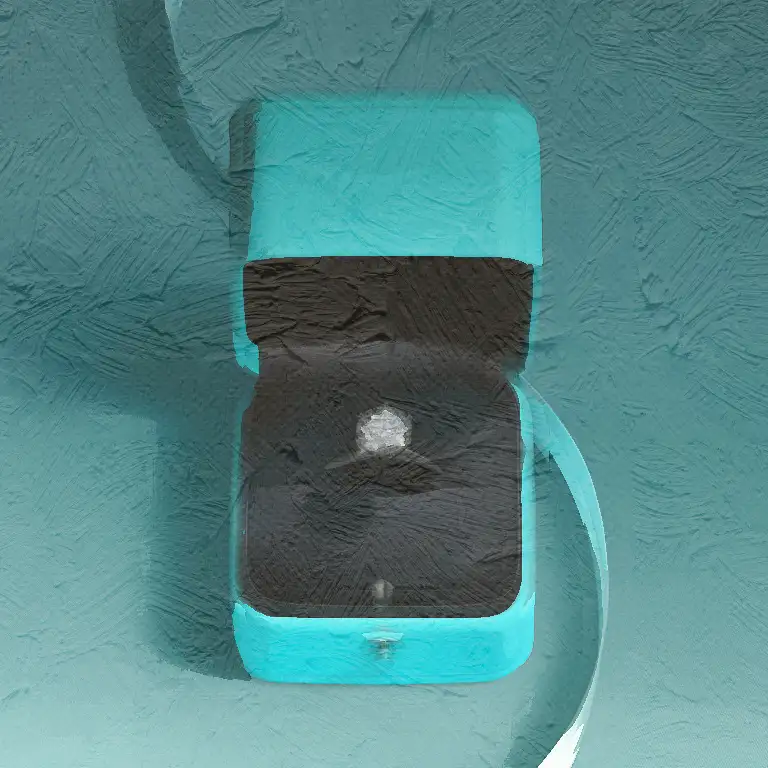
A carat is a unit of mass: 200 milligrams, a fifth of a gram, divided into 100 points, so a diamond of 0.25 carat may be called a twenty-five pointer. Carat measures weight, not size. In GIA’s 4Cs it sits beside color, clarity and cut, and a diamond’s value reflects all four. Colored stones are weighed in carats too; for ruby, GIA notes that the price per carat rises significantly with size. Under the US FTC jewelry guides, a diamond’s weight given in points should also be stated in decimal parts of a carat.
A carat is not a karat, which measures the purity of gold in parts of 24 by weight: 18 karat gold is 18 parts gold in 24, or 750 parts per thousand. British English prefers carat for gold as well, so 18 carat gold in Britain states a purity, not a weight; almost everyone abbreviates the gold measure as K, as in 18K.
In job listings
Carat weight is working vocabulary wherever stones are bought, checked and valued. A quality control listing asks a GIA Graduate Gemologist to authenticate the color, clarity, cut and carat weight of diamonds and precious stones, work rooted in gemology. See current gemstone roles.