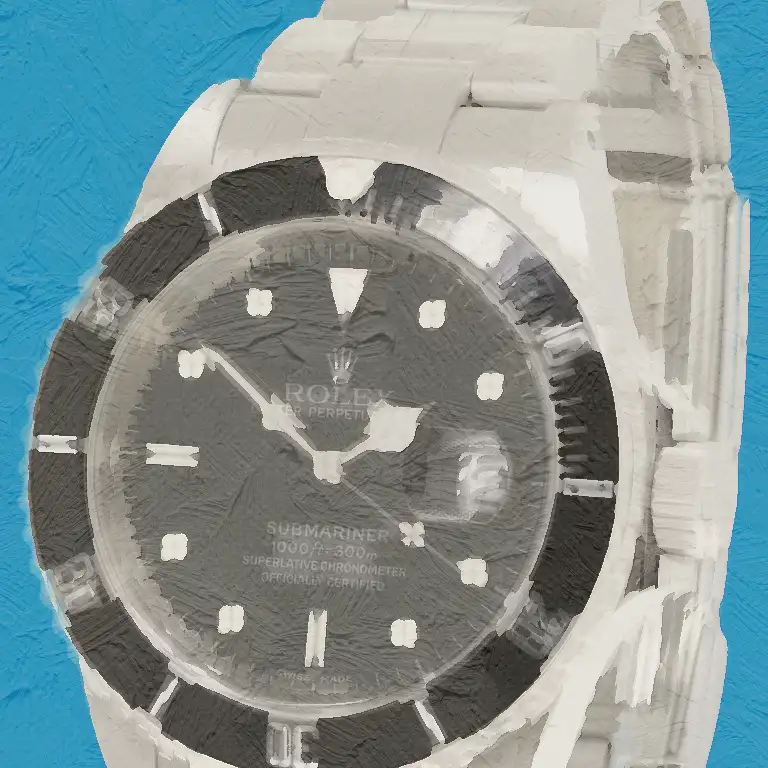
A watch's internal movement, or the designation identifying a particular movement design.
Also spelled calibre. The word originally meant size, and was used for the layout and dimensions of a movement’s pillars, wheels and barrel; today it designates the movement itself. A caliber number identifies the movement rather than the complete watch model.
A mechanical caliber is organized in sets of parts: the barrel, whose mainspring stores the energy; the going train of wheels that transmits it; the escapement that releases it in steps; and the balance and balance spring that regulate it. Round calibers, the most common, are still described by diameter, in lignes or millimeters, so a 10-ligne caliber measures about 22.5 mm. Calibers are also told apart by the layout of their bridges: a three-quarter-plate caliber, for example, has a bridge covering some three-quarters of the movement.
In job listings
Calibre and caliber appear mainly in movement development and design roles, which take new calibers with complications from preliminary studies and drawings to prototypes and production. They also appear in after-sales service, where a diagnostician assessing each watch received identifies its brand, caliber and reference. See current caliber roles.