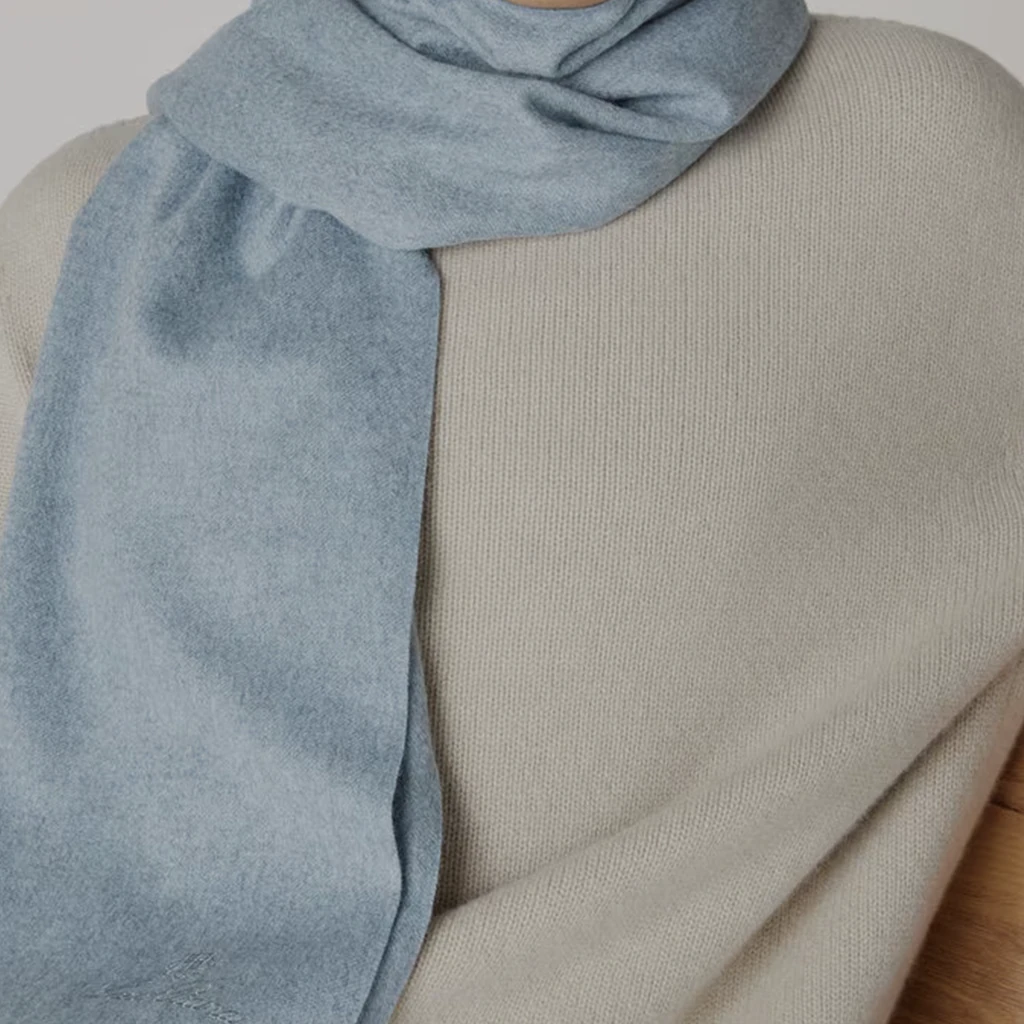
“Soft” is a reasonable first response to a fine textile. It is a rather incomplete description of one. Weight, drape, warmth, resilience and the way cloth takes a shape all begin to matter once it becomes something we wear. I have selected Loro Piana’s fabrics because this collection needs an account of luxury that begins before the recognizable object. Cloth determines how a garment falls, warms and moves. Here, material knowledge itself deserves the attention usually reserved for a finished silhouette.
Before the garment
The house’s account of its history and activities dates Pietro Loro Piana’s establishment in Quarona to 1924. It distinguishes the textile business from finished luxury goods: cloth supplied by a mill and a garment sold under the same name are related, but they are different things.
The Burberry trench shows how far a fabric idea can travel once it becomes a garment. This distinction opens the subject up. A finished jacket asks us to think about its cut and construction; a length of cloth asks what it might become. The raw fiber is only the beginning of either story. How it is spun, made into fabric and finished changes what the hand encounters.
Names that deserve an explanation
Baby cashmere sounds self-explanatory until someone reasonably assumes it means cashmere for babies. It refers to fiber from the undercoat of young Capra hircus goats. Vicuña is another fiber altogether. The house’s Salzburg cape, for example, combines the two in equal proportions.
Here the composition label has something useful to contribute. Two evocative material names describe one particular mixture. They do not settle how every garment carrying either name will feel or behave.
I would rather compare two fabrics than award softness a prize in the abstract. A jacket that needs to hold a line and a knit intended to fall loosely have different assignments. The most yielding cloth is not automatically the best answer to both.
Fiber, fabric, finish
Storm System introduces another distinction. It is a technical treatment or construction, not the name of an animal fiber. Loro Piana describes a membrane construction in its interiors explanation; the Zermatt vest provides a garment example using a membrane with technical microfiber.
Those examples belong to their own products. A claim about upholstery cannot simply be transferred to a coat. The interesting question is what the finish contributes to the thing someone intends to use, in the conditions they expect to use it.
The cloth in a life
Travel, a warm office, a cool evening: each puts a different demand on clothing. A textile specialist or client advisor can connect the material to that ordinary context, then explain how to care for it. This is where technical vocabulary earns its place.
For anyone considering Loro Piana roles, try describing a fabric without “luxurious” or “quality.” There is still an entire conversation available. Often, it is the better one.