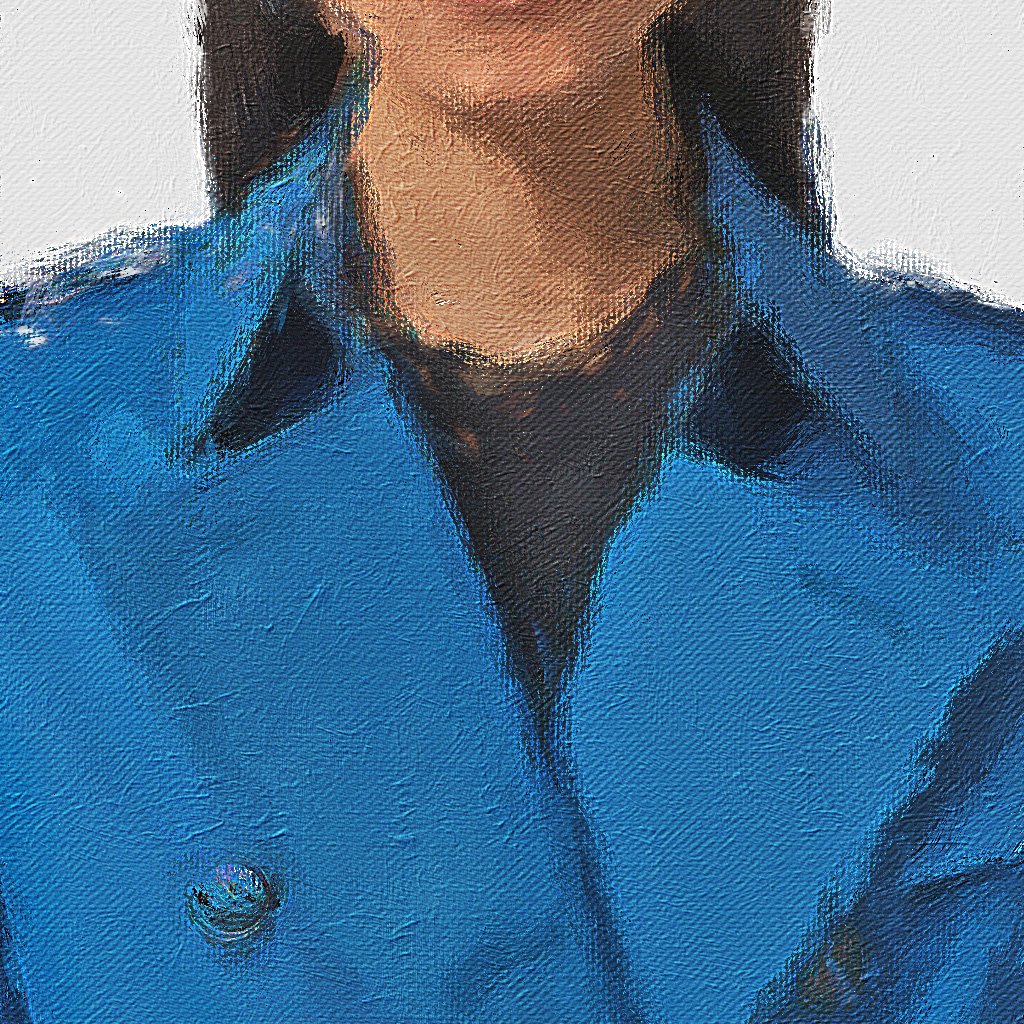
The Burberry trench carries a surprising amount of equipment for a coat that now spends much of its life going to lunch. Epaulettes, a storm shield, a belt with D-rings: each detail seems quite at home, even when its original job has fallen away. That continuity is part of the appeal. The coat remembers things its wearer no longer needs to do. I have chosen it because that memory remains wearable: the practical equipment has become a coherent shape, capable of looking purposeful on a day with no expedition planned.
First, the cloth
Burberry dates Thomas Burberry’s invention of gabardine to 1879. The house’s history of the trench describes the breathable, weather-resistant weave and its continuing production in Yorkshire.
Before the check or the familiar silhouette, there is this practical idea about fabric. The Loro Piana fabrics in this collection invite the same starting point: understand the cloth before admiring the finished garment. Look closely at the diagonal surface. The cloth has something to explain about the coat’s original purpose, and about why a garment intended for weather need not feel like armor.
Gabardine names a weave, however, not a universal composition or an unconditional promise of waterproofness. A particular coat still has its own fabric, lining and care label. History becomes more convincing when it stays attached to the object in hand.
Details with a former job
The Burberry history connects the coat’s details to military use. Epaulettes displayed insignia, D-rings carried equipment, and the storm shield helped rain run off. They make an unusually readable collection of functional traces.
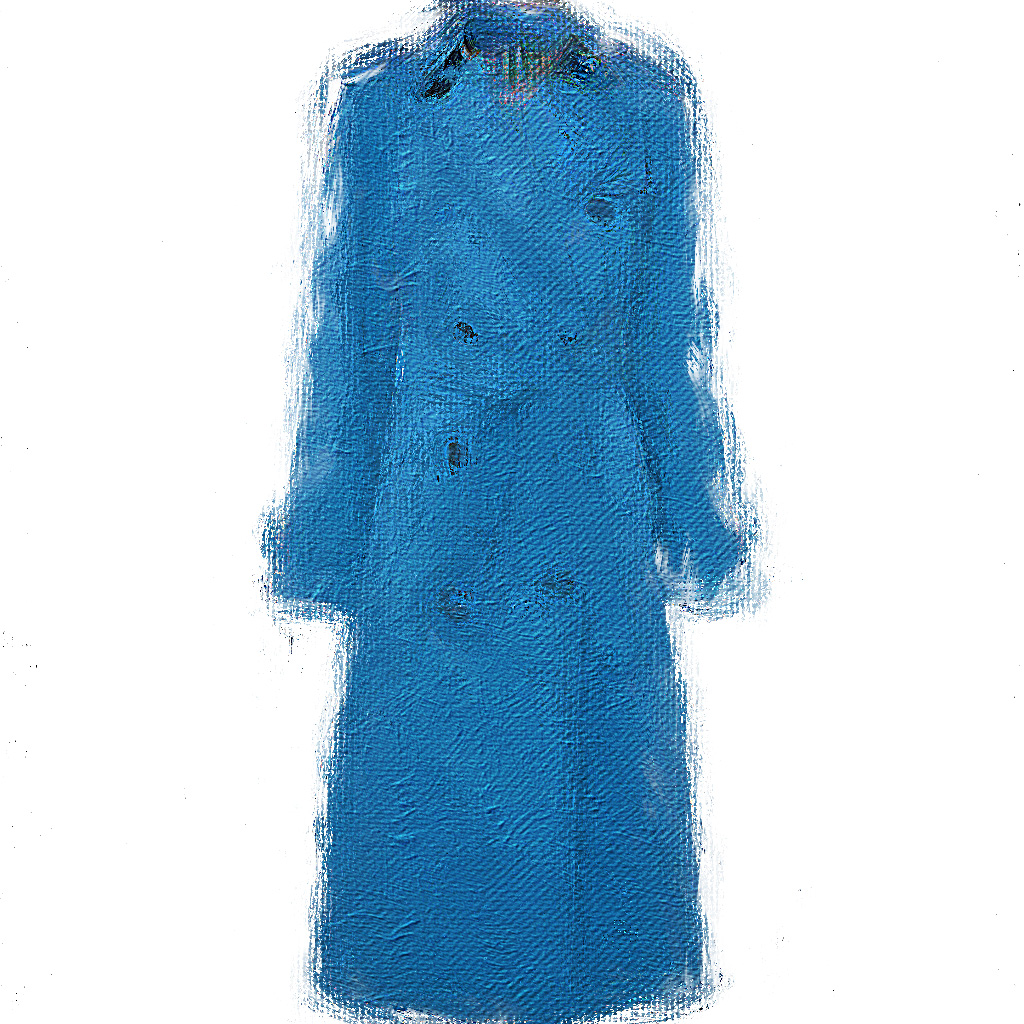
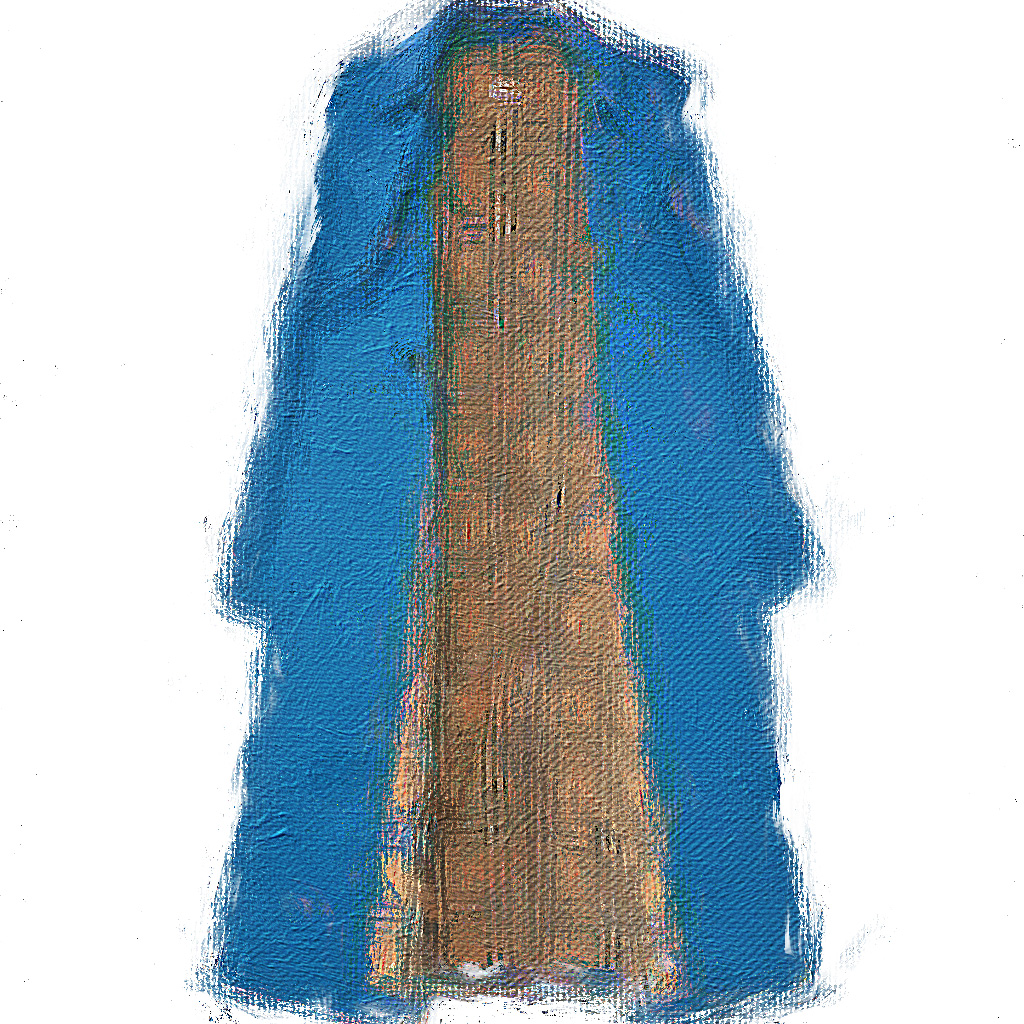
The glimpse of check at the collar brings another kind of recognition. A coat can signal its identity quietly, through a detail that is only occasionally visible. I find that more interesting than a garment that insists on announcing itself from every angle.
A boutique salesperson conducting a fitting needs room for both kinds of attention. Someone may want to know about the rings on the belt; someone else may be occupied entirely by the shoulders. The history will still be there once the fit is right.
Open, fastened, in motion
A trench changes when belted. The waist comes into focus and the volume moves elsewhere. Worn open, the same coat can read much more loosely. The Orlebar Brown Bulldog borrows tailoring for the pool; the trench makes its own passage from purposeful equipment to an everyday wardrobe. Both views matter, as does the layer underneath: a fitting over a light shirt cannot settle how it will feel over a jacket.
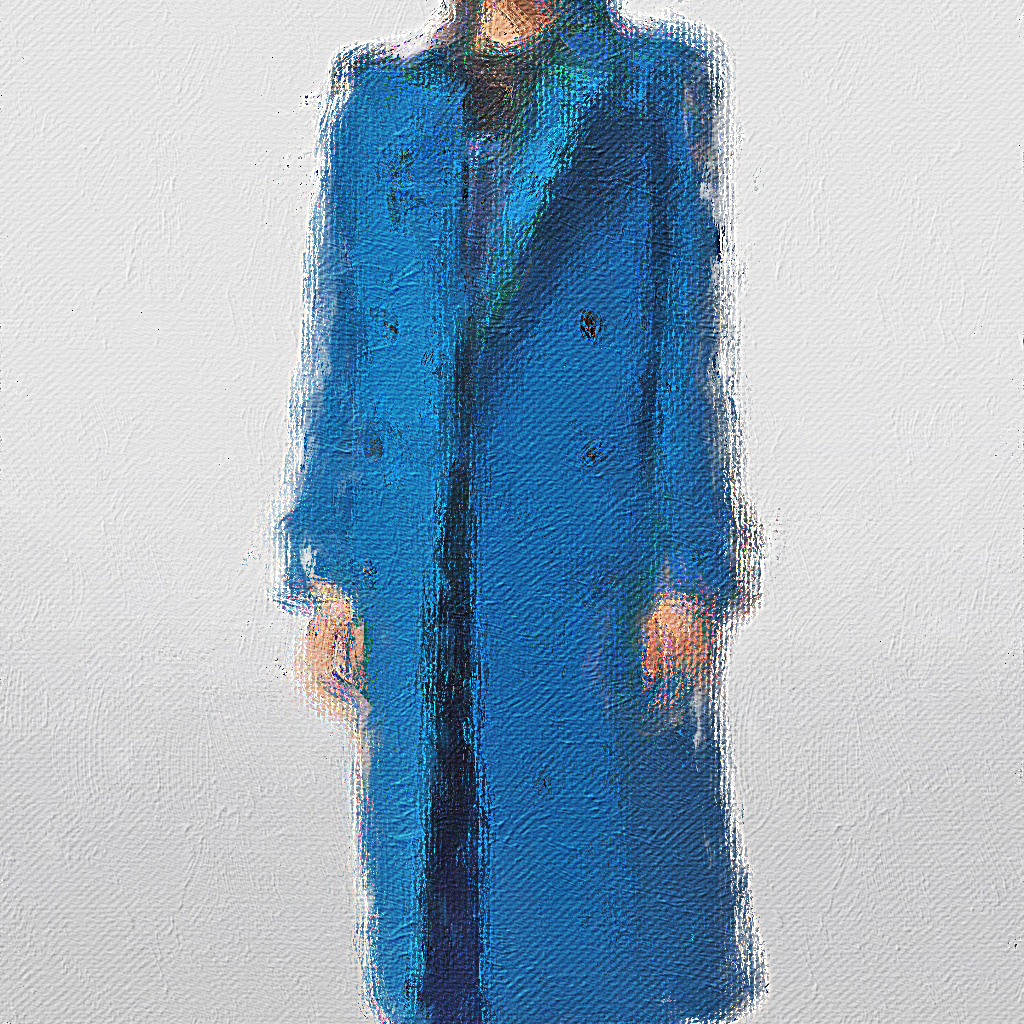
Length changes the effect again. The mirror supplies one answer; walking and sitting supply two more. The model name and actual cut matter more than the fact that two coats share a honey color and a check lining.
For someone working in Burberry retail, this is a pleasingly complete object to know: textile history, construction, proportion and a person’s daily routine all meet in one fitting. The best explanation may be quite short. The attention behind it should not be.